3D design
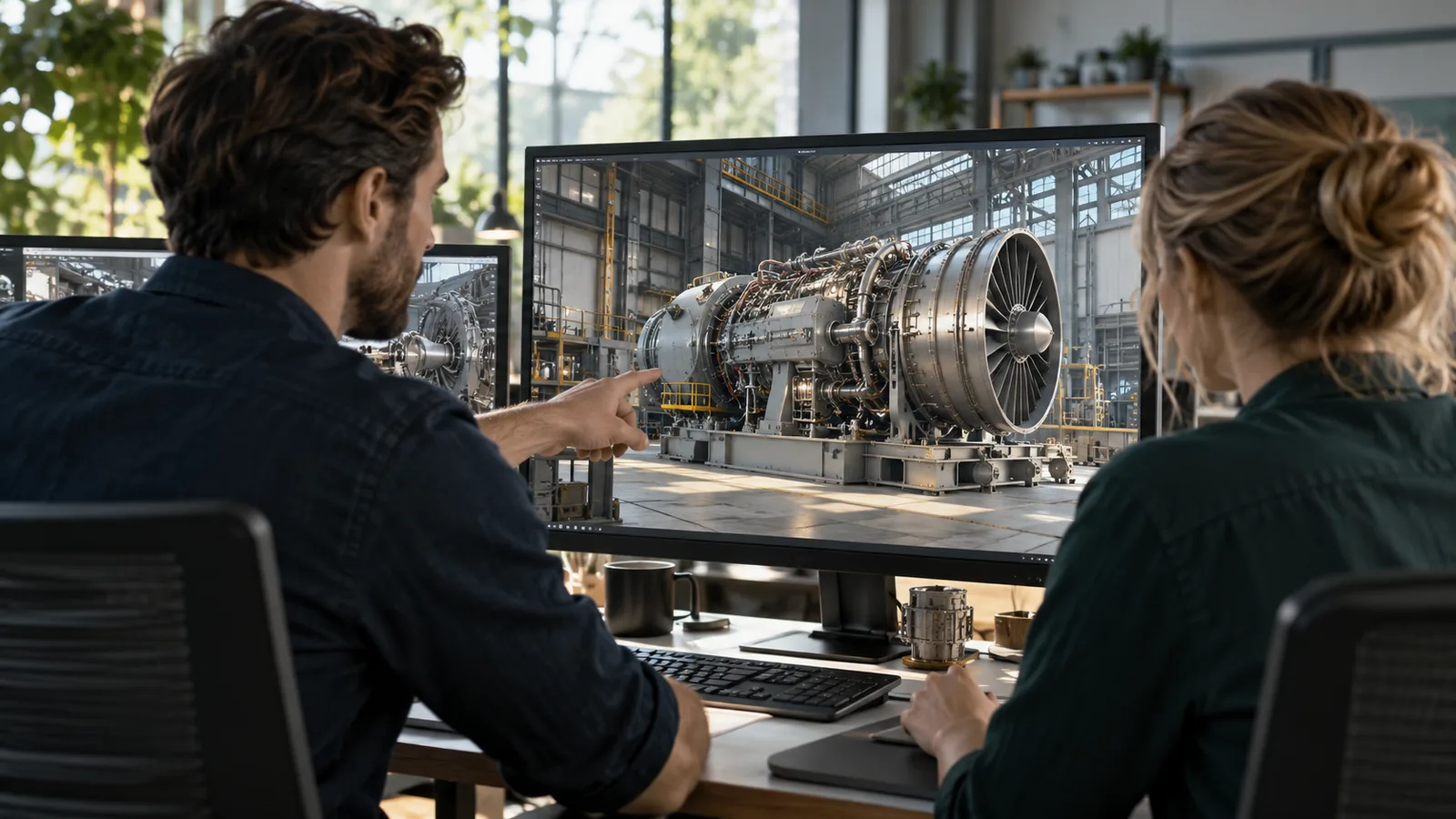
Real-time environments, characters and objects created for clarity, realism and performance.

Technology
We connect realistic training simulations, responsive AI characters and learning analytics to help teams practise work and measure progress.
Technology strategy
Immersive technology creates value when it makes an important task, decision or conversation easier to practise. We select the device, engine, AI model and delivery channel around the audience, environment, security requirements and evidence the organisation needs.
A solution may run in a VR headset, on desktop and mobile, inside an LMS or through a browser. The delivery architecture follows the work rather than forcing every learner into one format.
Production capabilities
Real-time environments, characters and objects created for clarity, realism and performance.
Behaviour, logic and feedback systems that turn content into active practice.
Responsive digital characters for guided learning, role-play and business interaction.
Human movement and performance captured for believable digital experiences.
Accurate digital representations of people, objects and physical environments.
Events, decisions and assessment data structured to show progress and workplace readiness.
Enterprise requirements
Production includes the operational details that determine whether an immersive application can move beyond a demonstration.
Answers
Clear answers for teams evaluating the right approach.
Capabilities include real-time 3D, VR, AR, conversational AI, digital humans, motion capture, scanning and interactive web delivery.
We select devices, engines and delivery channels around the use case, audience, security requirements and existing enterprise systems.
Prototypes are tested for device performance, usability, accessibility and content clarity before full production and rollout.